

Military Aviation
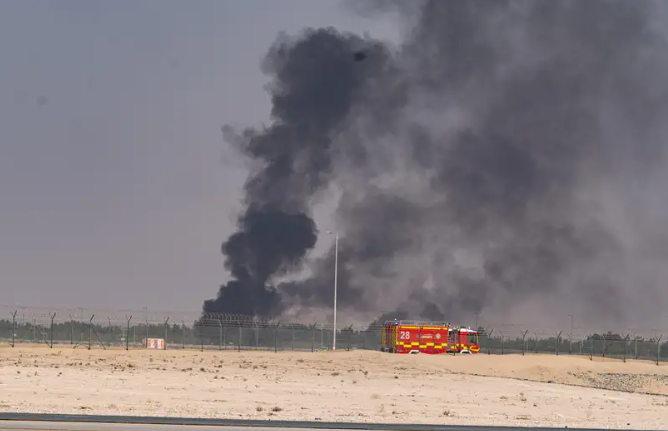
The Dubai Airshow 2025 was meant to be a global display arena where nations showcased their finest aviation technologies. For India, it was an opportunity to solidify the IAF Tejas Light Combat Aircraft (LCA) as a credible, export-ready indigenous fighter. Instead, the event turned into a moment of national grief and international scrutiny when an Indian Air Force IAF Tejas Mk-1 crashed during its aerial display, killing the pilot, Wing Commander Namansh Syal.
The incident has left the aviation world asking one crucial question:
Was this simply a devastating accident — or does it reveal deeper systemic issues in India’s aerospace ambitions?
A Fatal Moment Broadcast to the World
During a high-energy aerobatic manoeuvre at low altitude, the IAF Tejas reportedly lost control and plunged into the ground. The aircraft erupted into flames moments after impact, leaving spectators stunned. Early visuals suggested a loss of lift and insufficient altitude to recover — but the final cause remains under a formal inquiry ordered by the Indian Air Force.
Beyond the technicalities, the crash has deeply shaken public morale. Wing Commander Syal was a highly respected pilot, known for his professionalism and precision — making this tragedy even more painful.
The Second IAF Tejas Crash in 18 Months
The Dubai crash was not an isolated event. In March 2024, another IAF Tejas Mk-1 went down during an exercise in Jaisalmer. Preliminary findings from that crash pointed toward an engine seizure linked to an oil pump malfunction in the GE F404 powerplant.
While two crashes do not define an entire program, the pattern is troubling. It puts a spotlight on:
- Engine reliability
- Maintenance regimes
- Quality control within the production ecosystem
- The risks of single-engine combat aircraft operating in harsh manoeuvres
A PR Controversy One Day Before the Crash
Just a day prior to the Dubai crash, social media posts claimed a IAF Tejas aircraft at the airshow was leaking oil. India’s Press Information Bureau dismissed the claims, explaining that what was seen was condensed water drainage from the aircraft’s environmental systems — a normal procedure in humid conditions.
A Reflection on India’s Aerospace Industry
The IAF Tejas is more than a fighter jet — it is a symbol of India’s aspirations for aerospace self-reliance. Yet the crash has exposed several underlying realities:
- Dependence on Foreign Engines
- Maintenance Culture Needs Strengthening
- Quality Assurance at Scale
- Export Ambitions at Stake
Accident or Warning Sign?
Arguments exist on both sides. It may have been an unfortunate aerobatic accident — or it may be a warning sign pointing toward systemic issues in reliability, maintenance, and operational readiness.
The Human Angle
Amid the technical debates, the core tragedy remains the loss of a decorated pilot. His passing should be a reminder that behind every aerospace system are human lives depending on its reliability.
What India Must Do Next
- Conduct a transparent inquiry
- Enhance maintenance protocols
- Strengthen QA in the supply chain
- Accelerate indigenous engine development
- Reassure international partners
The IAF Tejas crash at DAS 2025 will be remembered as a painful chapter in India’s aviation history. Whether it becomes a symbol of weakness or a catalyst for strength depends entirely on India’s response.
